
This homemade lasagna is rich, cheesy, hearty, and layered with flavor in every bite. It’s made with a savory homemade meat sauce, creamy ricotta filling, oven-ready lasagna noodles, Parmesan cheese, and plenty of melted mozzarella.
One of my favorite things about this recipe is that it makes a generous 9×13-inch pan, so there’s plenty to feed a hungry family with leftovers for later. It’s perfect for Sunday dinner, holidays, gatherings, or anytime you’re craving a big pan of homemade comfort food.

Why You’ll Love This Homemade Lasagna
It’s loaded with layers of flavor. This isn’t bland lasagna. The ground beef is seasoned with Italian seasoning, basil, garlic, black pepper, cayenne, and beef bouillon before being simmered with marinara.
The ricotta layer is creamy and flavorful. Ricotta, Parmesan, fresh parsley, garlic powder, and an egg create a rich filling between the layers of meat sauce and mozzarella.
No boiling the noodles first. Oven-ready lasagna noodles eliminate one of the messiest and most time-consuming parts of traditional lasagna preparation.
It’s incredibly cheesy. With approximately 24 ounces of mozzarella plus Parmesan in the ricotta mixture, you get plenty of melted cheese throughout the casserole.
Perfect for feeding a family. This is a big, hearty lasagna that can easily become the centerpiece of a family dinner.
It’s great for leftovers. Lasagna reheats beautifully, and the layers often become even easier to slice after refrigeration.
It’s make-ahead friendly. Assemble it in advance and bake it when you’re ready, making this a great option when you’re entertaining or don’t want to do all the prep immediately before dinner.
Watch How to Make This Lasagna Step-by-Step
Watch my step-by-step video above to learn how I made this.
Ingredients You’ll Need
Here’s what goes into this homemade lasagna and why each ingredient matters.
For the Meat Sauce
Ground beef: This recipe uses 2½ pounds of ground beef, making the sauce hearty and meaty enough to stand up to all those layers of pasta and cheese.
Marinara sauce: Two 24-ounce jars provide the tomato base for the meat sauce.
White onion: Cooking the onion with the ground beef adds savory flavor and a little natural sweetness.
Fresh garlic: Five minced cloves give the sauce plenty of fresh garlic flavor.
Italian seasoning and dried basil: These herbs give the meat sauce its classic Italian-inspired flavor.
Beef bouillon powder: Adds another layer of savory, beefy flavor to the sauce.
Cayenne pepper: A small amount gives the meat sauce a subtle background heat.
Black pepper and salt: Used to season the sauce to taste.
Fresh parsley: Adds freshness and color.
For the Ricotta Cheese Mixture
Ricotta cheese: Creates that classic creamy lasagna layer.
Parmesan cheese: Adds a salty, savory cheese flavor that complements the mild ricotta.
Egg: Helps bind the ricotta filling so it holds together better when the lasagna is sliced.
Garlic powder: Seasons the ricotta mixture throughout.
Cajun seasoning: An optional addition for a little extra seasoning and personality.
Fresh parsley: Adds freshness and flecks of color to the cheese mixture.
Salt and pepper: Season the ricotta filling to taste.
For the Layers
Oven-ready lasagna noodles: These go straight into the casserole without boiling first.
Mozzarella cheese: This is what gives you those gooey, cheesy layers and that gorgeous melted top.
How to Make Homemade Lasagna
1. Make the meat sauce
Preheat the oven to 375°F.
Add the ground beef to a large skillet over medium heat and begin breaking it into crumbles as it cooks.
Add the diced onion and continue cooking until the beef is browned and the onion has softened. Drain off excess grease if necessary.
Stir in the minced garlic and cook briefly until fragrant.
2. Season the meat
Season the beef mixture with Italian seasoning, beef bouillon powder, dried basil, cayenne pepper, black pepper, and salt to taste.
Stir everything together so the seasonings are evenly distributed throughout the meat.
3. Add the marinara
Pour in the marinara sauce and stir well.
Reduce the heat and allow the meat sauce to simmer gently for approximately 15–20 minutes.
This gives the seasonings, beef, garlic, onion, and marinara time to come together before you begin assembling the lasagna.
Remove the sauce from the heat and stir in the fresh parsley.
4. Make the ricotta mixture
In a medium bowl, combine the ricotta cheese, grated Parmesan, fresh parsley, garlic powder, Cajun seasoning if using, salt, and black pepper.
Mix until well combined and taste for seasoning.
Add the egg last and mix until incorporated.
How to Layer Lasagna
This deserves its own section because layering is one of the biggest questions people have when making homemade lasagna.
5. Start with sauce
Spread a thin layer of meat sauce over the bottom of a 9×13-inch casserole dish.
Starting with sauce helps keep the bottom layer of oven-ready noodles surrounded by moisture as the lasagna bakes.
6. Add the noodles
Arrange a layer of oven-ready lasagna noodles over the sauce.
Don’t worry if you need to slightly overlap or arrange them to fit your particular casserole dish.
7. Add meat sauce and mozzarella
Spread another layer of meat sauce over the noodles, followed by shredded mozzarella.
8. Continue layering
Repeat the layers, adding the ricotta mixture through the middle of the lasagna as you go.
Continue layering the noodles, meat sauce, ricotta mixture, and mozzarella until you’ve used your ingredients.
9. Finish with sauce and cheese
Finish the top with the remaining meat sauce and a generous layer of mozzarella.
You want that final cheese layer to cover the top so it melts into the bubbly, golden finish you see in the photos.


How to Bake Lasagna
Cover the casserole dish tightly with aluminum foil.
Bake at 375°F for 50 minutes.
Remove the foil and continue baking for approximately 10–15 minutes, or until the cheese is completely melted, the sauce is bubbling around the edges, and the top is lightly golden.
Remove the lasagna from the oven and let it rest for a full 15 minutes before slicing.
Yes, waiting is hard when it looks and smells this good—but don’t skip it!
Why You Should Let Lasagna Rest Before Cutting
Resting isn’t just about cooling the lasagna enough to eat.
When lasagna first comes out of the oven, the sauce, melted cheese, and ricotta filling are extremely hot and loose. Cutting into it immediately can cause the layers to slide apart and sauce to run across the plate.
Allowing the lasagna to sit for about 15 minutes gives the layers time to settle so you can cut cleaner, more defined pieces.
It’ll still be plenty hot when you serve it.
Tips for the Best Homemade Lasagna
Don’t boil oven-ready noodles. They’re specifically designed to soften while the lasagna bakes. Use them straight from the package.
Make sure the noodles have enough sauce around them. Oven-ready noodles need moisture to soften properly, so don’t leave large portions of noodles completely uncovered by sauce.
Drain excess grease from the beef. With 2½ pounds of ground beef, you may have a fair amount of rendered fat depending on the beef you’re using.
Let the meat sauce simmer. Giving it 15–20 minutes allows the flavors to develop before the lasagna is assembled.
Season each component. Great lasagna isn’t just about putting enough cheese on top. Seasoning the meat sauce and ricotta mixture separately gives you flavor throughout every layer.
Taste the ricotta mixture before adding the egg. Once the raw egg goes in, you don’t want to taste it. Adjust the salt, pepper, and other seasonings first, then mix in the egg.
Cover the lasagna tightly for the first part of baking. This traps steam inside the dish and helps the oven-ready noodles soften.
Don’t rush the resting time. Give the finished lasagna at least 15 minutes before cutting. You’ll get much cleaner slices.
Put the casserole dish on a sheet pan if it’s very full. This makes the heavy dish easier to move and can catch any sauce or cheese that bubbles over.
Do You Have to Boil Oven-Ready Lasagna Noodles?
No. That’s the whole point of using oven-ready noodles in this recipe.
The noodles absorb moisture from the sauce while the covered lasagna bakes. The trapped steam and surrounding sauce soften them without requiring a separate pot of boiling water.
That’s also why it’s important to use enough sauce and keep the casserole tightly covered during the first portion of baking.
What to Serve With Homemade Lasagna
Lasagna is already a hearty meal, so I like to keep the sides fairly simple.
Garlic bread or warm crusty bread is perfect for soaking up extra meat sauce. A crisp green salad provides a fresh contrast to all that rich cheese, while roasted broccoli, green beans, or another simple vegetable makes an easy side.
For a big Sunday dinner, you can serve a salad and garlic bread alongside the lasagna and call it a meal.
Can I Make Lasagna Ahead of Time?
Yes. Lasagna is one of my favorite meals to prepare ahead.
Assemble the casserole as directed, cover it tightly, and refrigerate until you’re ready to bake.
Because refrigerated lasagna starts much colder than freshly assembled lasagna, it may require additional baking time. Bake until the center is thoroughly heated, the sauce is bubbling, and the cheese is completely melted.
How to Store Leftover Lasagna
Allow leftover lasagna to cool before transferring it to an airtight container, or tightly cover the remaining casserole.
Store it in the refrigerator for approximately 3–4 days.
Individual slices reheat well in the microwave, making leftovers especially convenient for lunch. You can also cover and reheat a larger portion in the oven until hot throughout.
Can You Freeze Homemade Lasagna?
Yes. Lasagna freezes beautifully.
For easy individual meals, allow the cooked lasagna to cool completely, cut it into portions, and transfer the pieces to freezer-safe containers.
Freeze for approximately 2–3 months.
Thaw overnight in the refrigerator before reheating.
You can also freeze a larger portion if you prefer, but individual slices are especially convenient because you can thaw only what you need.
Frequently Asked Questions
Can I use regular lasagna noodles instead of oven-ready noodles?
Yes, but you’ll need to prepare them according to the package directions before assembling the lasagna unless the particular brand provides no-boil instructions.
Why did my lasagna turn out watery?
Excess grease from the beef, very thin sauce, or cutting into the lasagna immediately after baking can all contribute to a watery-looking serving.
Drain excess grease when necessary and give the finished lasagna its full resting time.
Why are my oven-ready lasagna noodles still hard?
They likely didn’t have enough moisture around them or the casserole wasn’t covered tightly enough during baking. Make sure the noodles are surrounded by sauce and keep the dish tightly covered during the initial baking period.
Can I substitute cottage cheese for ricotta?
Yes, although the texture and flavor will be different. Ricotta gives this particular recipe its classic creamy lasagna filling.
Do I need the egg in the ricotta mixture?
The egg helps bind the ricotta filling and gives the cheese layer more structure once the lasagna is baked and sliced.
Easy Homemade Lasagna
Ingredients
Method
- Preheat the oven to 375°F.
- Add the ground beef and diced onion to a large skillet over medium heat. Cook until the beef is browned and the onion has softened. Drain excess grease if necessary.
- Add the minced garlic and cook briefly until fragrant.
- Season with Italian seasoning, beef bouillon powder, dried basil, cayenne pepper, black pepper, and salt to taste.
- Stir in the marinara sauce and simmer over low heat for approximately 15–20 minutes. Stir in the fresh parsley and set aside.
- In a bowl, combine the ricotta, Parmesan, parsley, garlic powder, Cajun seasoning if using, salt, and pepper. Taste and adjust the seasonings, then mix in the egg.
- Spread a thin layer of meat sauce over the bottom of a 9×13-inch casserole dish.
- Add a layer of oven-ready noodles followed by meat sauce and mozzarella.
- Continue layering, adding the ricotta mixture through the middle layer, until the ingredients are used.
- Finish with the remaining meat sauce and mozzarella.
- Cover the casserole dish tightly with foil and bake at 375°F for 50 minutes.
- Remove the foil and continue baking for another 10–15 minutes, until the cheese is melted, bubbly, and lightly golden.
- Remove from the oven and let the lasagna rest for 15 minutes before slicing and serving.
Video
Notes
More Recipes to Try
Looking for more easy dinner Ideas? Try one of these delicious recipes next:
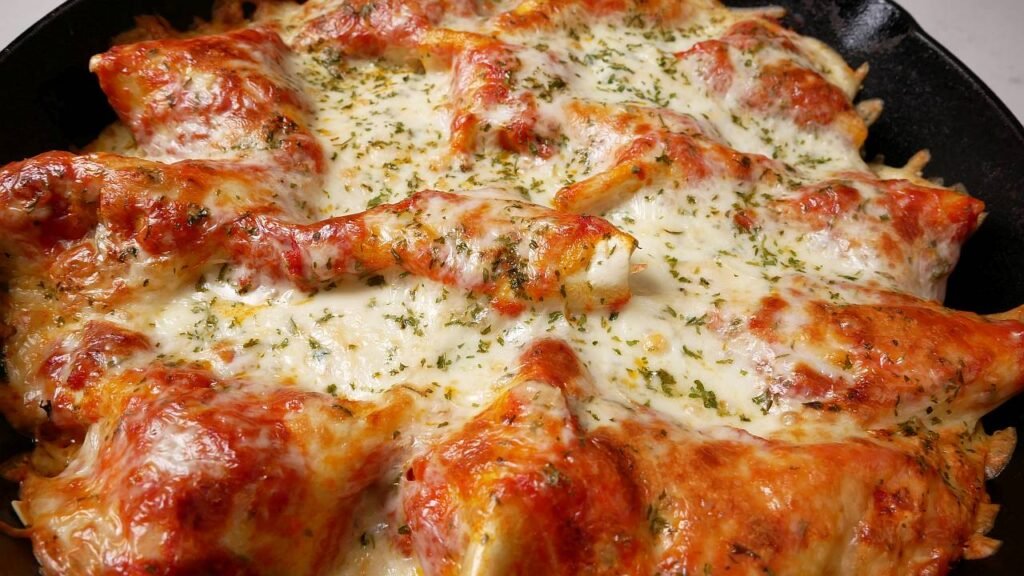


If you try this Lasagna, I’d love to hear how it turned out! Leave a comment below and let me know what you think.